
Local Community Spaces Fund
Supporting grassroots community groups to transform spaces at the heart of their local community
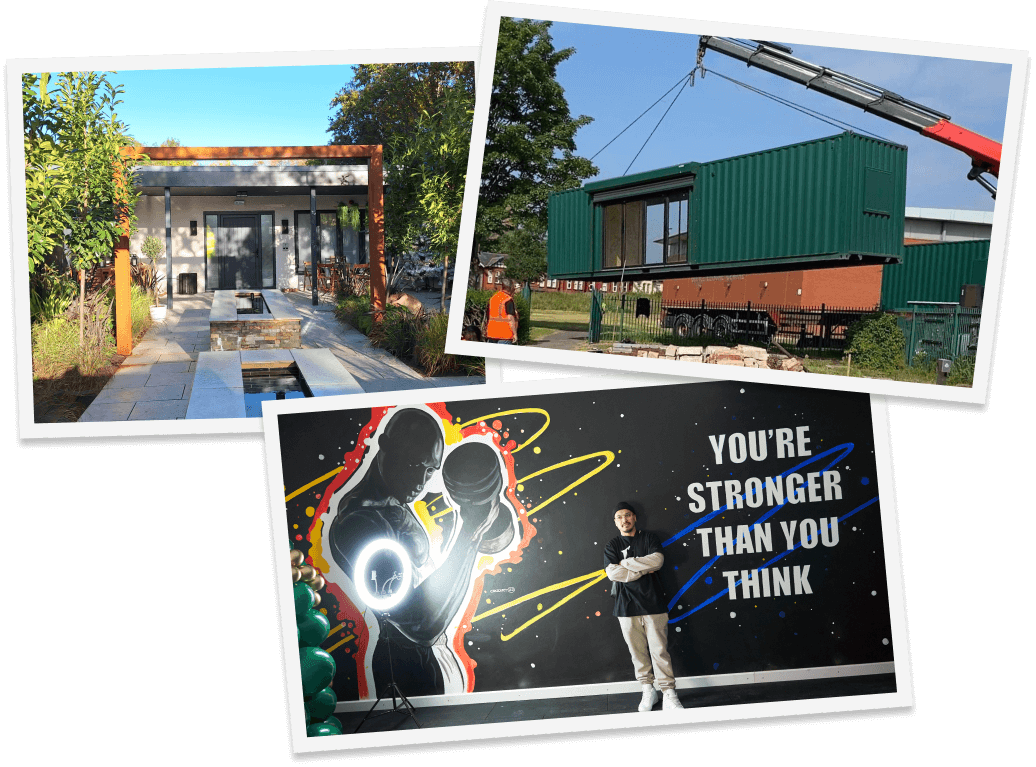
Local Community Spaces funding is to support community groups throughout the UK who provide a safe space for people to meet and be together.
The application window for this fund has now closed. Thank you to all groups that applied.
We know accessible community spaces can be a lifeline for local people, and many of these spaces require funding to repair, renovate and develop them so that they can continue delivering vital activities and services. In addition, loneliness and isolation continue to be highlighted through our Community Insight Survey as top areas of concern for local communities throughout the UK.
Through our Local Community Spaces Fund, we will continue playing our part in helping to fund safe and welcoming community spaces that bring people together, connect communities and address loneliness and isolation. We have invested over £3 million in community hubs since 2022, and for 2026, will commit over £1 million in grant funding support.
For a full PDF version of the Local Community Spaces Fund Criteria, please click here.
Who Can Apply
Charities, CICs and Community Benefit Societies that benefit local people
Grant Value
Grants of £10,000 to £20,000
When To Apply
The application window has now closed
Grants between £10,000 and £20,000 are available to projects with one or more of the following objectives:
Repair and Maintain Community Spaces
Projects that involve essential repairs or maintenance to ensure the facility remains safe, functional, and able to serve the community effectively. This could include critical work such as boiler replacement, roof or window repairs, or necessary refurbishments like replacing worn carpets to maintain a safe and welcoming environment.
Expand and Improve Community Spaces
Projects aimed at enhancing or adapting spaces to better meet the needs of service users. This may involve improving accessibility for all, upgrading facilities to make them fit for purpose, or re-configuring areas to accommodate more users and activities within the existing footprint.
Eligibility:
- You must be a Registered Charity, Community Interest Company or Community Benefit Society, registered with the relevant authority for at least 3 years.
- Your charity or CIC documents (e.g., Trustees’ Report and Financial Accounts) must have been filed on time with the CCEW /OSCR/ NICC/ Companies House for the previous three years.
- Your organisation should own the project site, if not you must have a fully signed lease between the landowner and your organisation, with at least 3 full years remaining. We do not accept any other forms of agreement, including but not limited to draft agreements, letters of intent, heads of terms, subleases, or underleases.
- You must be applying for a grant of £10,000 – £20,000 that will wholly fund your project. You may contribute up to £20,000 of your own funds to the project, but we must be able to see that you already have these funds in place.
- Your organisation must have an annual income of between £40,000 and £400,000.
- Your organisation must have a bank account, a governing document, and safeguarding policies relevant to the users of your space.
- Your unrestricted reserves should be no more than the equivalent of 6 months of operational costs.
- The project site must be open and accessible all year round.
- We are looking for community centres or spaces which host a variety of established community groups catering for a wide range of ages, demographics and needs and which offer a variety of activities throughout the week.
- Youth centres offering targeted support to youths in areas of high deprivation in a space that offers a variety of activities, making a positive difference to health, wellbeing and the lives of young people. We would not accept applications for projects taking place in clubhouses used by only one organisation, or covering maintenance to pitches and grounds.
- Centres which support the most vulnerable, in areas of high deprivation. Such as homeless shelters, food banks, dementia and elderly support, community cafes.
- Organisations based outside the UK or operating outside the UK.
- Organisations that have previously received an Asda Foundation Investing in Spaces and Places grant or Local Community Spaces grant.
- Groups with an annual income over £400,000, or under £40,000
- Groups who don’t currently operate a community space/building.
- Third party grant making organisations (grantees must directly run the site where the project will take place).
- Schools or PTAs
- Solely Government-funded spaces
- Groups whose services and activities involve alcohol.
- Groups affiliated with a particular political party or agenda.
- Animal charities or groups focused primarily on animal welfare.
- Places of worship unless they can demonstrate that they serve the wider community and welcome people of all faiths, functioning similarly to a village hall or community centre with significant weekly group use. Funding for places of worship will not cover fabric repairs or repairs to windows, spires, steeples, bell towers, rooves or any areas that are not publicly accessible as community spaces.
- Projects that form part of a major upgrade where our contribution would not have a clearly distinguishable impact. The project site should be usable once our funding has been used.
We are unlikely to fund:
- Projects located in more affluent areas – according to the index of multiple deprivation – unless a clear and critical need can be demonstrated.
- Spaces infrequently used, or not primarily used for community
- Spaces which charge prohibitive fees, either to other community groups who hire the space, or the service users who attend activities.
The following lists provide some examples of the items and services that we would and would not fund. These lists are not exhaustive.
Examples of what we would fund:
- Kitchen and bathroom refurbishments
- Roof and floor repairs
- Disabled access ramps to a community building
- Boilers and heating
- Upgrades and replacements to windows and doors
- Essential building security upgrades
- Wallpaper, flooring
- Outdoor community spaces which are maintained by the applicant group. Must be open all year round and used by a range of groups.
Examples of what we wouldn’t fund:
- Fundraising, sponsorship or licenses
- Solar panels / battery storage packs
- Memorials & sensory gardens
- Core cost: including project management, design and architecture fees
- Heritage projects primarily focused on preserving a building for its historical significance rather than for active community use
- VAT you can reclaim
- Bars, beer gardens, or any part of a building where a bar operates
- Projects which could negatively impact the reputation of The Asda Foundation
- Vehicles or any other mobile structure
- Road repairs/access roads, car parks and public paths
- Playgrounds, public parks and nature reserves
- Maintenance to pitches, sports grounds, and clubhouses which are used by only one organisation.
- Applications only for non-essential decorative items – e.g. plants, frames, ornaments
- Equipment and spaces used only by staff for administrative purposes.
We encourage applications from groups with free to access services that are inclusive to many; we are less likely to fund groups with fees that prevent participation.
During the first stage of the review, we will assess how closely your project aligns with our criteria and aims. As we expect a high volume of applications and anticipate funding around 70 projects, we strongly encourage you to review our criteria and funding priorities carefully to avoid disappointment. Please note that insufficient or incomplete information will reduce the likelihood of your application progressing beyond this stage.
We are unable to provide detailed feedback for unsuccessful applications at this stage; however, we will indicate the primary reason for your application being unsuccessful. All decisions are final at this stage.
During the second stage of the review, we aim to gain a deeper understanding of your work, assess your capacity and resources to deliver the project, and evaluate your financial stability and governance. This will include a detailed review of your supporting documentation. If we require additional information, we will contact you.
Reserves: Organisations with high levels of unrestricted reserves are less likely to require our funding. If your organisation holds more than 6 months of operational costs unrestricted reserves, we will need to understand the rationale behind this position. Organisations with low reserves must demonstrate viability and actions to increase reserves. Applications from organisations operating at an overall deficit will not be considered.
Governance Structure: We expect a stable and consistent board to ensure effective oversight and continuity. Board members should be predominantly independent and not related to one another, minimising conflicts of interest and safeguarding impartial decision-making.
Online Presence:
Once the second review is complete, shortlisted projects will be assessed by a panel.
You will be notified of the outcome of your application by 31 August 2026. Please do not plan to commence your project before this date. If successful, you must be able to deliver the proposed work by December 2027.
Timeline Overview:
- Submission – 14/04/26 – 28/04/26
- 1st Review – From 28/04/26
- 2nd Review – From 22/06/26
- Outcome – By 31/08/26
All criteria below must be met in order to be eligible to apply and to be considered for this grant.
A total annual income of between £40k – £400k and Unrestricted reserves of no more than 6 months of operational costs
- What we need:
- The charity/CIC number connected with your group must show an income between £40,000 and 400,000. We require your most recent 2 full years of annual accounts. We are unable to accept applications from organisations who can’t provide this.
- Why we need it:
- These limits ensure Asda Foundation meets its aim of supporting grassroots organisations. Your income and reserves will be assessed as part of the review process.
Governing Documents
- What we need:
- A formal and finalised copy of your organisation’s Constitution (or Articles of Association/Memorandum, if applicable), outlining your group’s name, charitable aims, non-profit status, and asset distribution upon dissolution.
- Why we need it:
- To ensure groups receiving our funding have proper governance in place. For guidance, refer to the NCVO’s governing document guide.
A Safeguarding Policy
- What we need:
- An up-to-date safeguarding policy specific to the age group/s who use the space. See our safeguarding guidelines here. If you support children and adults, you will need to provide both policies. If you only hire your space and don’t oversee activities, we will need to see a copy of your hiring agreement along with your safeguarding policy.
- Why we need it:
- To ensure the protection of service users and understand your processes for handling concerns.
A bank account in your group’s name that accepts cheques
- What we need:
- A bank statement showing the most recent 3 consecutive months of transactions and which clearly shows your group’s payee name. Ensure your bank accepts cheques before applying.
- Why we need it:
- To demonstrate a good cashflow and financial stability. We can only pay by cheque, made payable to your group (not individuals or personal accounts).
Permission to carry out the proposed work
- What we need:
- If you do not own the project site, we require a lease with at least 3 years remaining between the landowner and the applicant organisation, you must have requested prior permission to carry out the proposed work from the landowner.
- If your project includes significant structural alteration you will need to show you have requested planning permission.
- Why we need it:
- We ask for these documents to ensure your project has a strong foundation and long-term impact which will benefit the community for years to come. It is essential that we can determine that everything is legally compliant and can go ahead as planned.
Detailed project costs
In your application, please provide a detailed breakdown of the costs associated with your project. This information is essential for us to fully understand your proposal and assess how our support will contribute to its success. You may also include quotes or estimates for the work to be completed. While these are not mandatory, they will help us understand the costs you have provided.
Photos of your space
You will also be required to upload photos of your space – up to a maximum of 5. Photos should show as much of the following as possible:
- Wide-angle image of the space/s where the work is going to take place.
- Images of any specific areas which will be worked on in this project.
- Floorplan of changes – maximum of one floorplan image.
Videos are not accepted
1) Read guidance
It’s important that your project or activity meets the aims and criteria of the fund, therefore we recommend that you read this guidance document in detail before applying, to make sure your project and group are eligible.
Consult with your service users on your project to identify their needs.
2) Gather supporting documents
We recommend that you gather all the documents you need prior to starting your application. On page 6, you can find a list of everything you’ll need to upload.
3) Register
Complete the Eligibility Check on our website – we want to make sure that your group is eligible to apply. Upon completion, you will be directed to our grant management system, hosted by SmartSimple, where you will be able to log in or register, if you are new to the system. New users will receive an email to verify their email address and set up a password.
4) Complete application
You will find the grant application form in the ‘Apply for a Grant’ section of your homepage portal.
5) Await outcome
Once you submit your application, you’ll receive an email confirming receipt. Throughout the review, we may send status updates or request more information, so please keep your contact details current. You can also track your application’s progress in your SmartSimple account.
Successful grants
If successful, you’ll be notified by email and invited to complete and sign a Funding Agreement. Once complete, a cheque will be mailed to the address you provided and your local Asda Community and Customer Champion will be notified of your successful application, they will be excited to visit and celebrate with you.
Unsuccessful grants
Due to the volume of applications, sometimes we must make difficult decisions. The decision of The Asda Foundation is final and at our discretion. If unsuccessful, you’ll be notified by email. You cannot reapply for this programme but can apply for future funding if any concerns are addressed and new criteria are met.
6) Complete follow-up activity
Post-Grant Award Reporting Requirements
We’re excited to see your project come to life and want to support you in making the most of your grant. To keep everything on track, we ask that you provide regular updates on your progress.
Progress Reports
Your first progress report is due by 1st February 2027. After that, reports should be submitted every 4 months until 31st December 2027, unless your project wraps up earlier. Each report should include:
- A quick update on what’s been achieved so far.
- Any key milestones reached.
- Any challenges and how you’re tackling them.
- A simple breakdown of spending, with receipts where needed.
Final Impact Report
When your project is complete, we’ll ask for a Final Impact Report to round things off. This is your chance to share:
- The overall results of your project.
- How the grant has helped you reach your goals.
- Any lasting benefits or long-term impact.
- A final financial summary with receipts.
- Photos showing the transformation of your space.
Keeping Track of Spending
We’ll need receipts with each report to show how the funding is being used.
Keeping a record of your expenses as you go will make this much easier!
If you have any questions or need support along the way, just let us know—we’re here to help. And don’t forget, keeping up with these reports will help with eligibility for any future funding opportunities.
When completing an application, you will be required to provide the following documentation*:
- Bank statements covering the most recent 3 months
- 2 Full years of annual accounts
- Governing Document
- Safeguarding Policy
- A lease with at least 3 years remaining – if the space is not owned.
- Photos of your space
*All documents provided must be written in English
Our stories
-

Local Community Spaces Fund – Crossroads Youth and Community Association
Learn more -
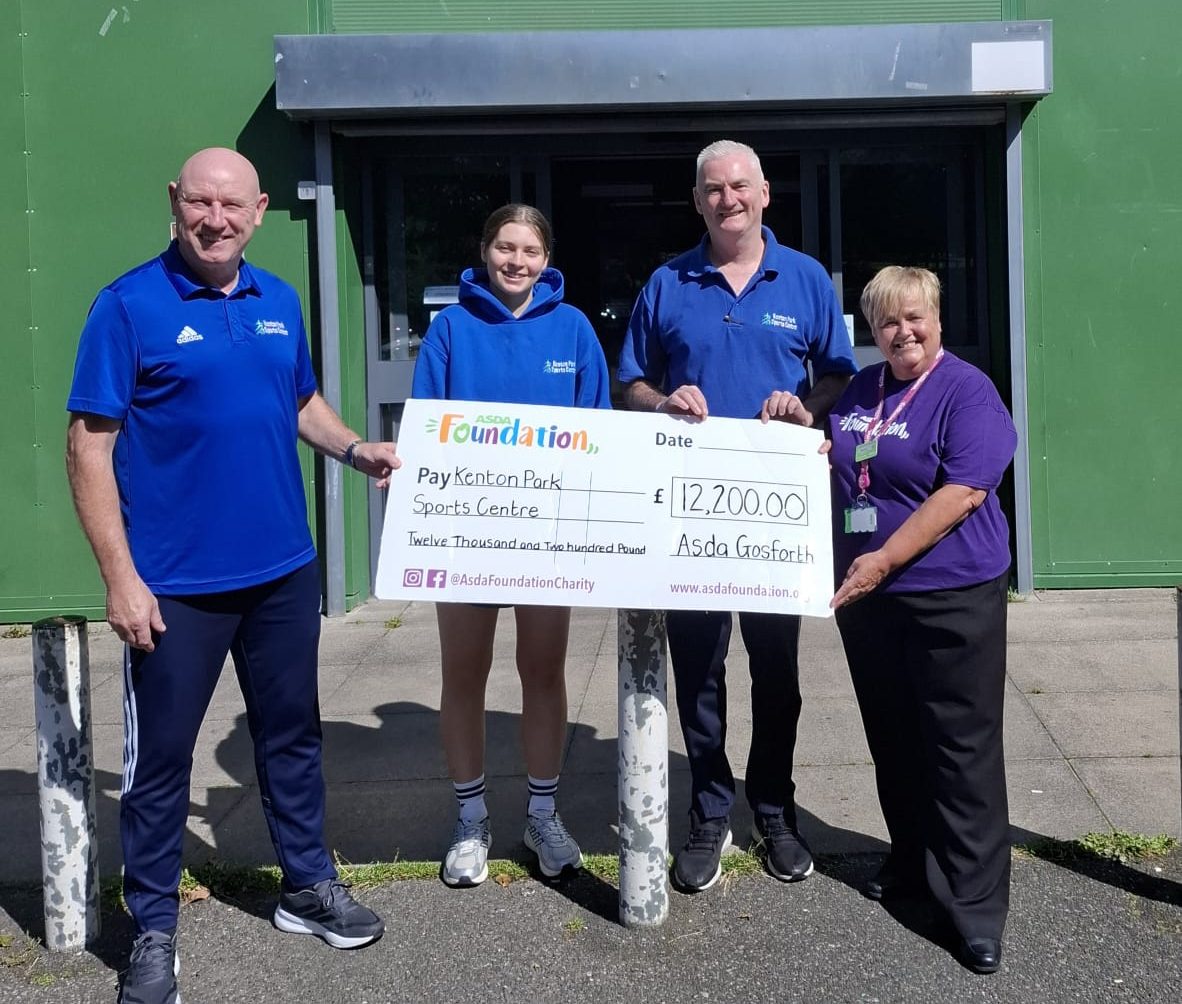
Local Community Spaces Fund – Kenton Park Sports Centre
Learn more -
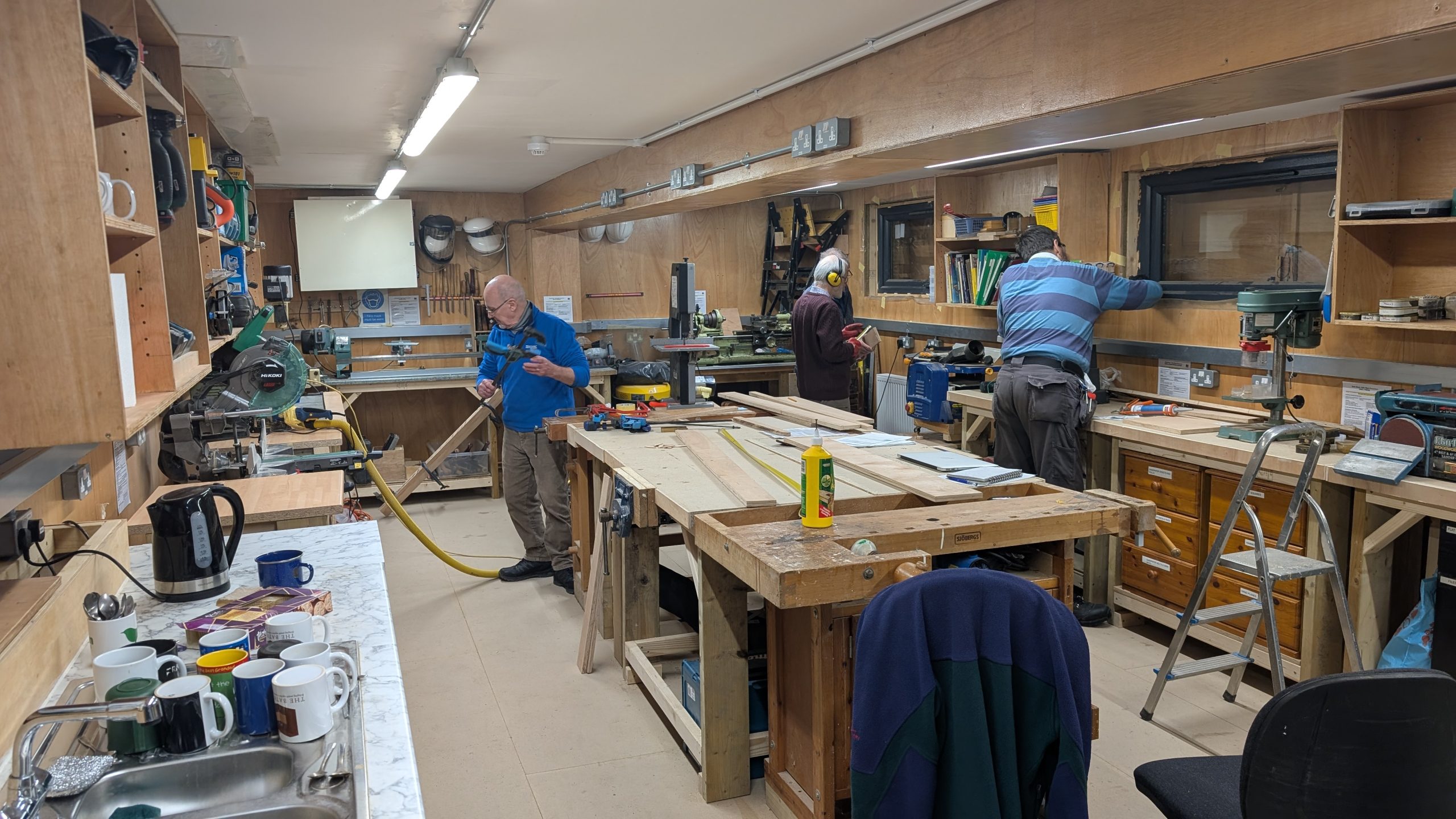
Investing in Spaces and Places – Bath Shed
Learn more -
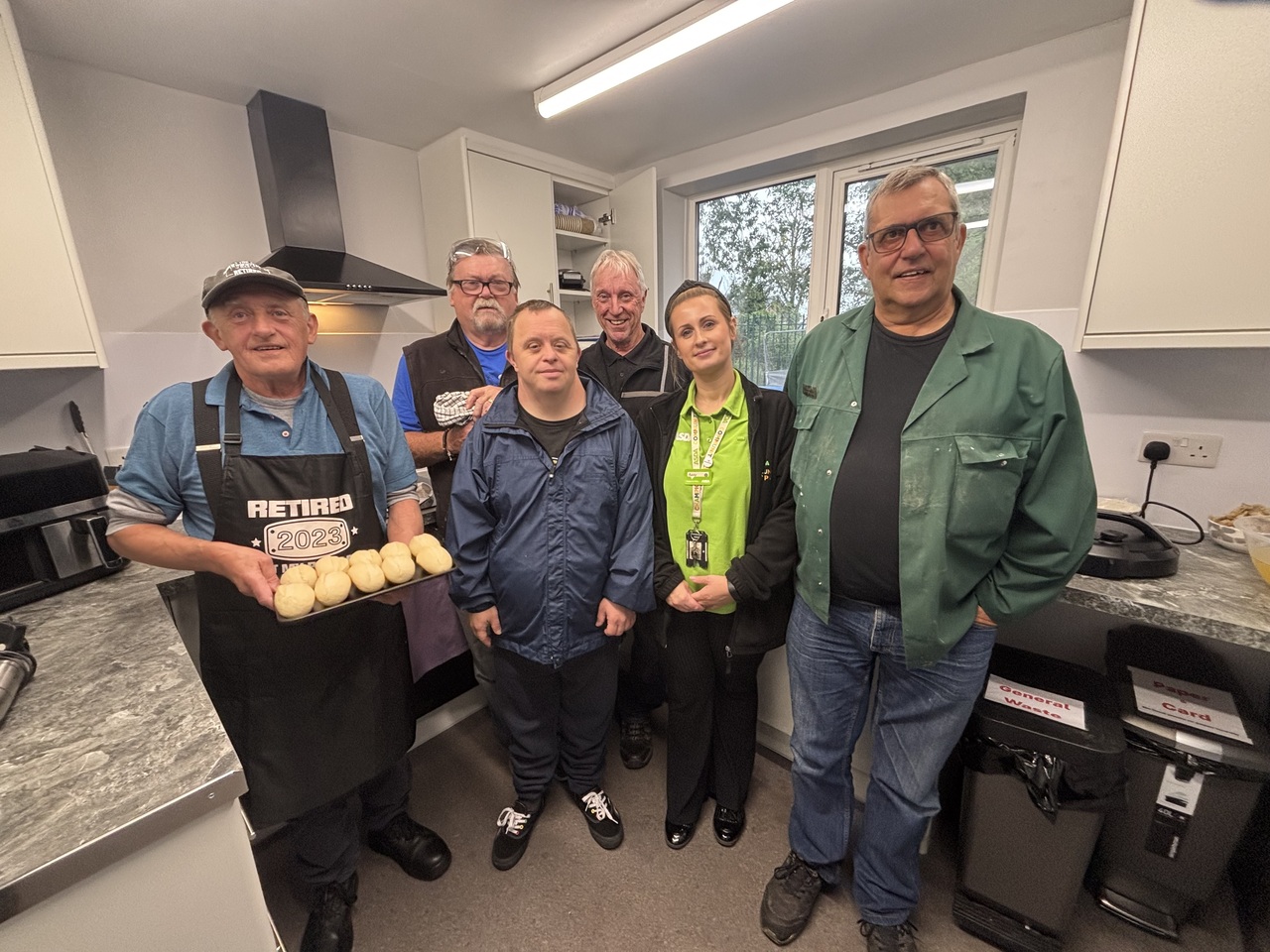
Investing in Spaces and Places – The Port Men in Sheds
Learn more -
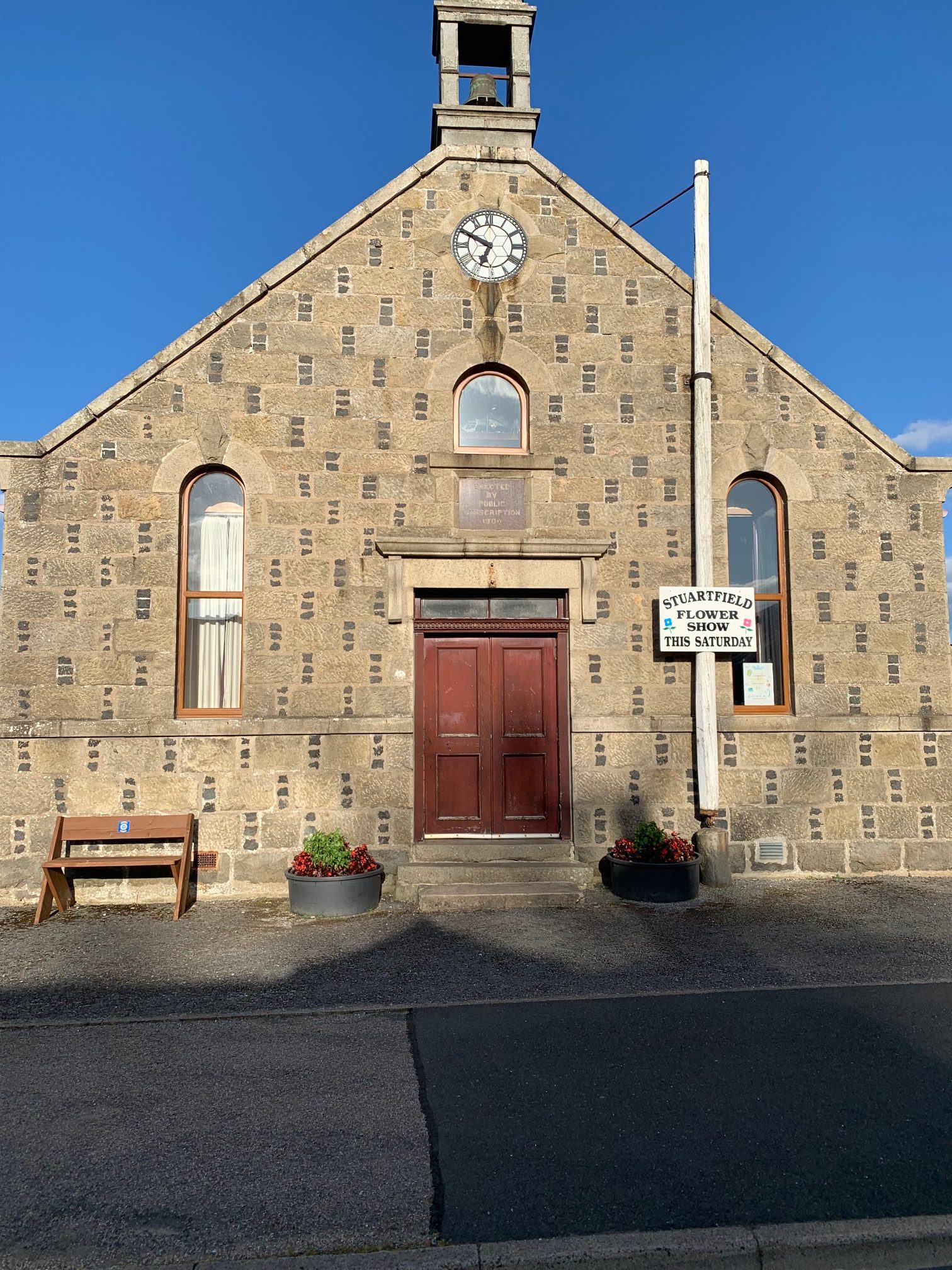
Investing in Spaces and Places – Stuartfield Village Hall SCIO
Learn more -
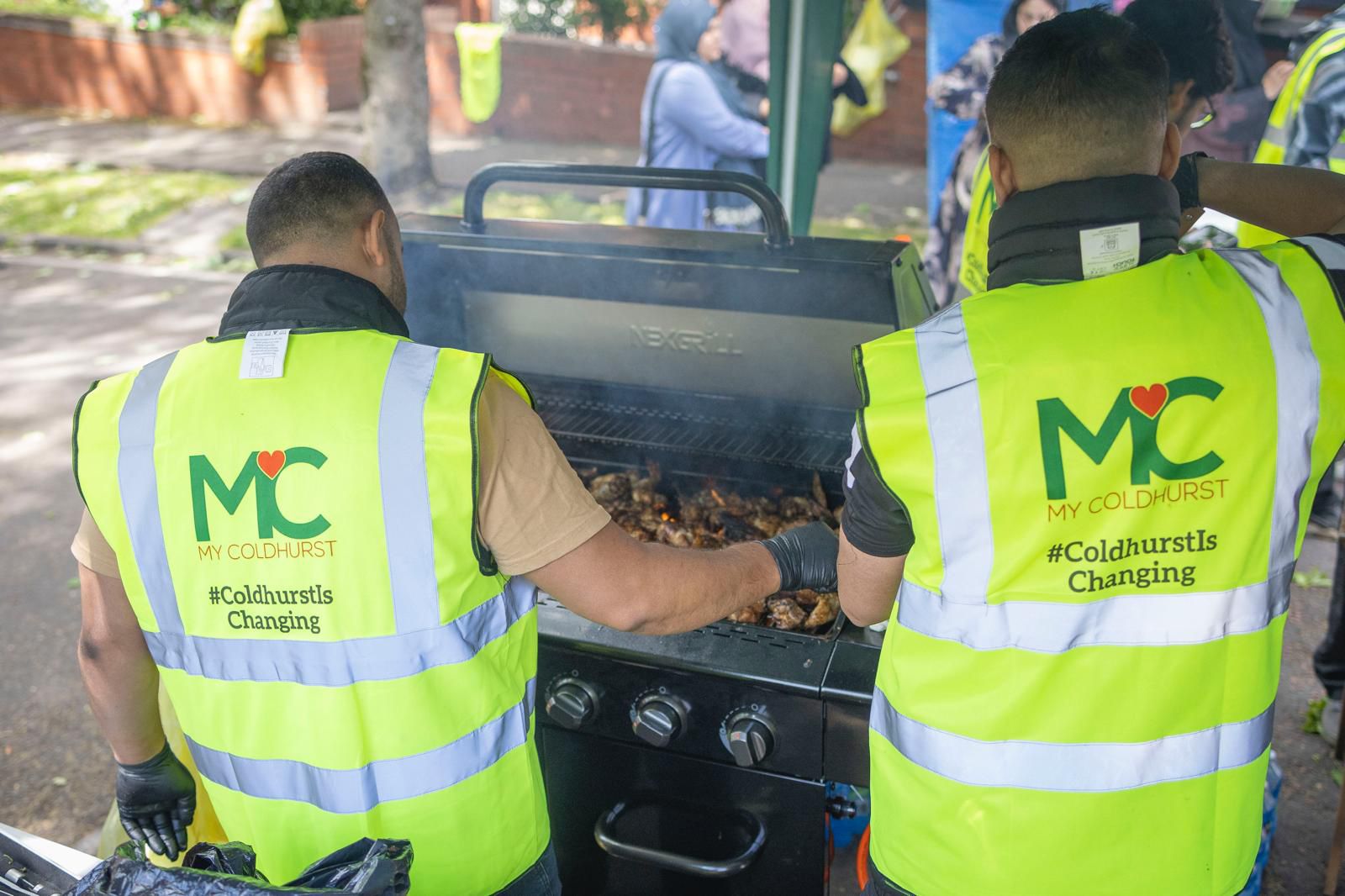
MyColdhurst: Continuing to Empower and Celebrate the Community
Learn more -
Asda Colleagues Go The Extra Mile for Veteran’s Group
Learn more -
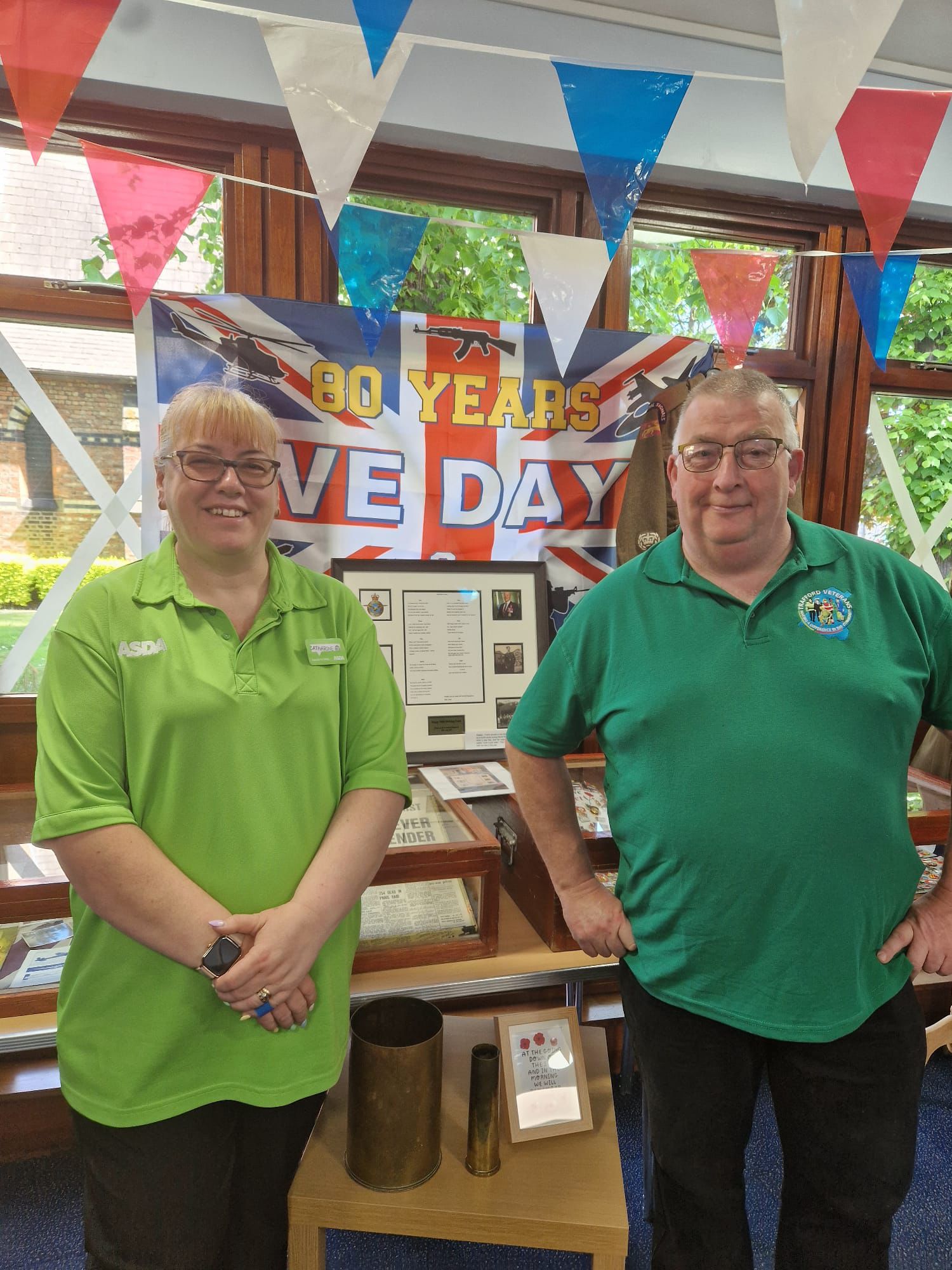
Celebrating VE Day’s 80th Anniversary
Learn more